Spring Pasta With Asparagus And Peas
Highlighted under: Quick Kitchen Creations
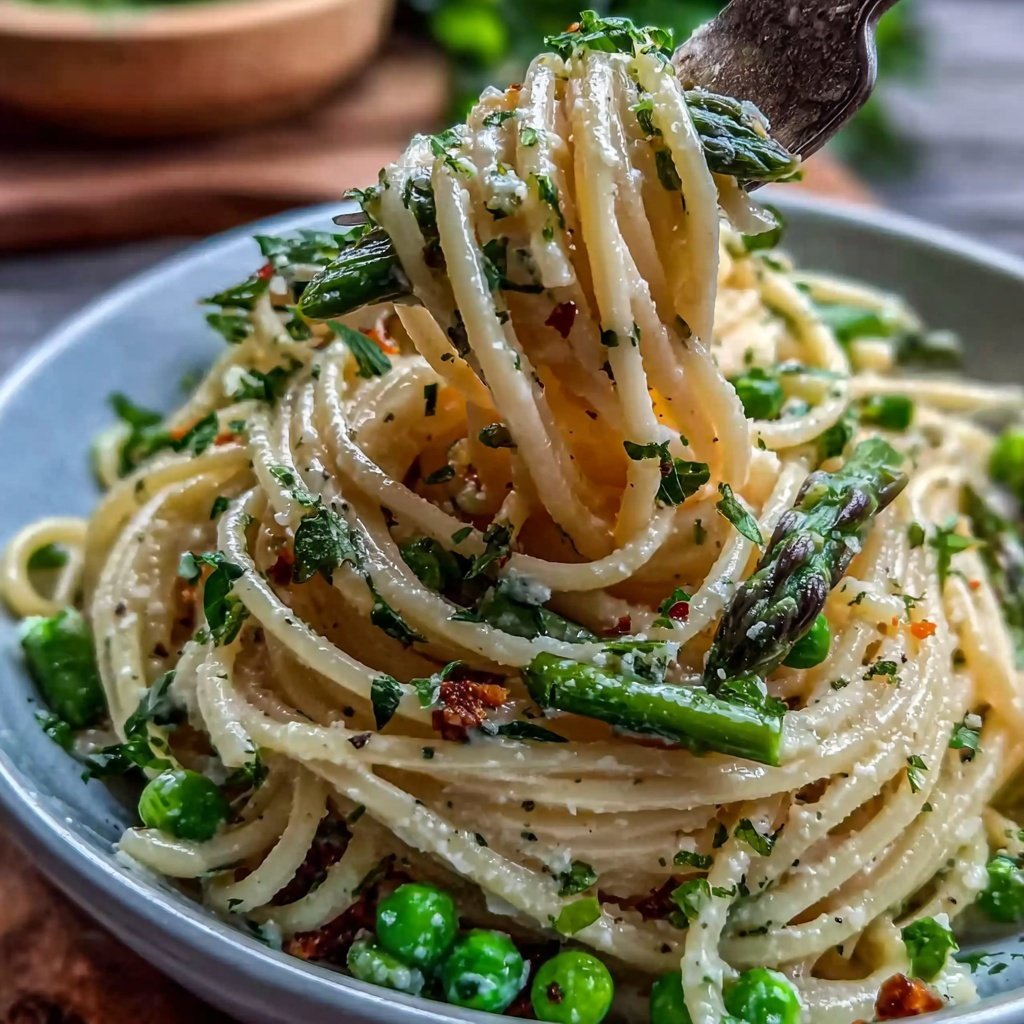
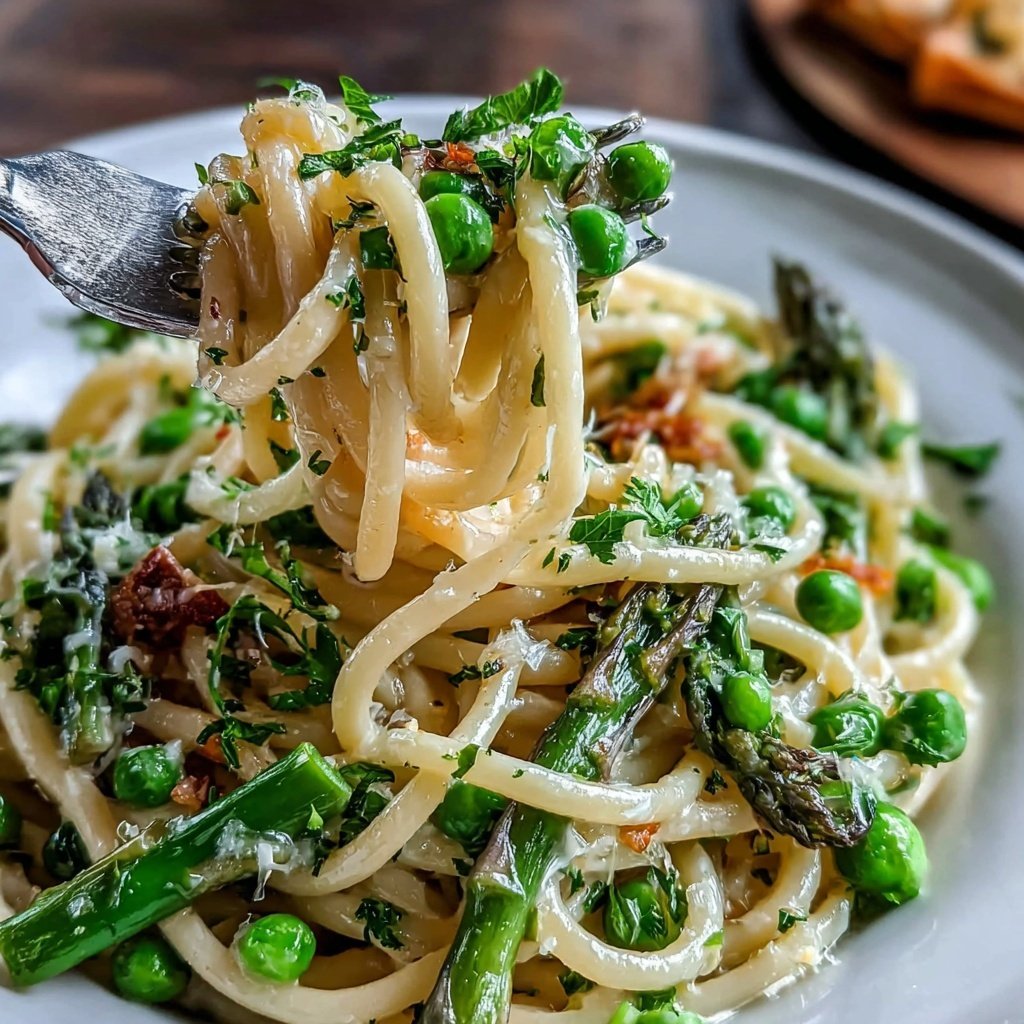
I've recently discovered an amazing way to celebrate the arrival of spring with a vibrant dish that's incredibly easy to make. This Spring Pasta with Asparagus and Peas has quickly become a favorite in our household. The combination of fresh asparagus and sweet peas creates a light yet satisfying meal, perfect for busy evenings. I love the simplicity of tossing everything together, and the result is a colorful pasta that truly embodies the essence of spring. It’s a dish that’s fresh, bright, and absolutely delicious!
When I first tried making pasta with seasonal vegetables, I was amazed by how much flavor could come from such simple ingredients. The method of sautéing the vegetables just until tender allows their natural sweetness to shine through. I also discovered that adding a touch of lemon zest elevates the dish, making it taste bright and fresh, perfect for spring.
Another tip I found helpful is to reserve a bit of pasta water before draining the pasta. This starchy water helps to create a silky sauce that clings beautifully to the noodles and keeps everything cohesive. I’ve made this dish for friends and family, and it never fails to impress!
Why You Will Love This Recipe
- Bright and fresh flavors that celebrate spring.
- Quick and easy preparation, perfect for busy weeknights.
- A healthy dish that packs in seasonal veggies.
The Role of Seasonal Ingredients
Using fresh asparagus and peas elevates this dish, bringing out vibrant flavors that are quintessential to spring. The asparagus, when cooked correctly, should retain a slight crunch, contributing both texture and taste. Selecting in-season vegetables ensures the freshest flavor; aim to choose asparagus that’s firm and bright green. If fresh peas aren’t available, frozen peas work surprisingly well and save time, as they do not require shelling.
Lemon zest is another crucial component here. It not only adds brightness but also balances the richness of the olive oil and cheese. When adding the zest, make sure to avoid the bitter white pith; use a microplane for the best results. The citrus notes will help tie all the flavors together, making each bite refreshing and lively.
Mastering the Cooking Technique
Cooking the pasta to al dente is vital. It holds its shape better and provides a pleasant chew, which complements the tender vegetables well. When boiling the pasta, ensure the water is generously salted. This enhances the flavor of the pasta itself and prevents it from tasting bland once combined with the other ingredients.
When sautéing the asparagus, aim for a medium heat setting to avoid burning the garlic. Garlic can turn bitter if overcooked, so adding it after the asparagus has begun to soften allows you to achieve a fragrant aroma without losing flavor. If you notice the vegetables are cooking too quickly, reduce the heat slightly or add a splash of the reserved pasta water to create steam and facilitate cooking.
Serving and Storing Tips
This pasta can be served warm or at room temperature, making it versatile for different occasions. If you’re preparing it in advance for a picnic or potluck, consider tossing the pasta with a bit more olive oil to keep it from clumping together. You might also add a splash of lemon juice for added freshness if serving later.
Leftovers can be stored in an airtight container in the refrigerator for up to three days. Reheat gently on the stovetop with a splash of water to restore the dish's original creaminess. This meal can also be easily scaled; simply double the ingredients for a larger gathering, ensuring you increase the cooking pot size to accommodate the extra pasta without overcrowding.
Ingredients
Gather the following ingredients to make this delightful spring pasta dish:
Ingredients
- 8 oz spaghetti or your favorite pasta
- 1 bunch asparagus, trimmed and cut into 1-inch pieces
- 1 cup fresh or frozen peas
- 2 cloves garlic, minced
- 3 tbsp olive oil
- Zest of 1 lemon
- Salt and black pepper to taste
- Grated Parmesan cheese for serving
- Fresh basil leaves for garnish (optional)
Once you've gathered all your ingredients, you're ready to start cooking!
Instructions
Follow these simple steps to create your Spring Pasta with Asparagus and Peas:
Cook the Pasta
In a large pot, bring salted water to a boil. Add the spaghetti and cook according to package instructions until al dente. Reserve 1/2 cup of pasta water, then drain and set aside.
Sauté the Vegetables
In the same pot, heat the olive oil over medium heat. Add asparagus and cook for about 3-4 minutes until tender. Stir in the minced garlic and peas, cooking for another 2 minutes until the peas are heated through.
Combine Pasta and Vegetables
Return the drained pasta to the pot with the vegetables. Add reserved pasta water, lemon zest, salt, and pepper. Toss everything together until combined and heated through.
Serve
Plate the pasta and sprinkle with grated Parmesan cheese and fresh basil leaves if desired. Enjoy your spring-inspired meal!
That's it! Your delicious Spring Pasta with Asparagus and Peas is ready to be served!
Pro Tips
- For added flavor, consider incorporating a splash of white wine while sautéing the vegetables. You can also replace asparagus and peas with your favorite seasonal veggies.
Enhancing Flavor Profiles
To add deeper flavor dimensions, consider incorporating crushed red pepper flakes during the sautéing process. This will introduce a subtle heat that contrasts beautifully with the sweetness of the peas. Additionally, a splash of white wine after cooking the vegetables can lift the flavors and add complexity; allow it to simmer until almost evaporated before adding the pasta.
For a richer dish, you could substitute the olive oil with butter, adding it right before combining the pasta. Be cautious not to overcook it; you want melted, not browned butter. This modification will enrich the sauce and complement the sharpness of the Parmesan cheese.
Dietary Variations
For those following a gluten-free diet, substituting regular pasta with gluten-free spaghetti or even zucchini noodles can be an excellent alternative. When using zucchini noodles, be aware that they release moisture; sauté them separately until just tender before combining with the other ingredients for optimal texture.
If you wish to make this dish vegan, replace the Parmesan with a nutritional yeast mixture or a store-bought vegan cheese. This maintains the umami quality without using dairy, and you can still enjoy a creamy texture by incorporating a splash of coconut cream into the pasta.
Questions About Recipes
→ Can I use frozen peas instead of fresh?
Yes, frozen peas work great in this recipe and they don't require any additional cooking time.
→ What other vegetables can I add?
Feel free to include vegetables like spinach, zucchini, or cherry tomatoes for added variety!
→ Can I make this pasta ahead of time?
This dish is best enjoyed fresh, but you can prepare the vegetables in advance and quickly cook the pasta right before serving.
→ Is this recipe vegan-friendly?
You can make it vegan by omitting the Parmesan cheese or using a plant-based alternative.
Spring Pasta With Asparagus And Peas
Created by: Felicity Grant
Recipe Type: Quick Kitchen Creations
Skill Level: Easy
Final Quantity: 4 servings
What You'll Need
Ingredients
- 8 oz spaghetti or your favorite pasta
- 1 bunch asparagus, trimmed and cut into 1-inch pieces
- 1 cup fresh or frozen peas
- 2 cloves garlic, minced
- 3 tbsp olive oil
- Zest of 1 lemon
- Salt and black pepper to taste
- Grated Parmesan cheese for serving
- Fresh basil leaves for garnish (optional)
How-To Steps
In a large pot, bring salted water to a boil. Add the spaghetti and cook according to package instructions until al dente. Reserve 1/2 cup of pasta water, then drain and set aside.
In the same pot, heat the olive oil over medium heat. Add asparagus and cook for about 3-4 minutes until tender. Stir in the minced garlic and peas, cooking for another 2 minutes until the peas are heated through.
Return the drained pasta to the pot with the vegetables. Add reserved pasta water, lemon zest, salt, and pepper. Toss everything together until combined and heated through.
Plate the pasta and sprinkle with grated Parmesan cheese and fresh basil leaves if desired. Enjoy your spring-inspired meal!
Extra Tips
- For added flavor, consider incorporating a splash of white wine while sautéing the vegetables. You can also replace asparagus and peas with your favorite seasonal veggies.
Nutritional Breakdown (Per Serving)
- Calories: 350 kcal
- Total Fat: 12g
- Saturated Fat: 1.5g
- Cholesterol: 0mg
- Sodium: 190mg
- Total Carbohydrates: 54g
- Dietary Fiber: 7g
- Sugars: 3g
- Protein: 12g